How to improve collaboration between municipal departments ?
In a municipality, the quality of public services delivered to citizens largely depends on the ability of different departments to work together. Urban planning, human resources, technical services, communications, civil registry, finance, and education departments all have their own responsibilities, yet they must collaborate daily to move municipal projects forward.
However, in many local authorities, communication remains siloed. Information is poorly shared, documents are scattered across multiple systems, meetings multiply, and elected officials and staff waste valuable time searching for information or following up with colleagues.
To address these challenges, digital collaboration tools now offer practical solutions to streamline communication and teamwork across municipal departments. However, success also depends on implementing the right practices and choosing tools that are tailored to the needs of local governments.
In this article, we’ll explore why cross-department collaboration is essential, the main obstacles municipalities face, and how solutions like Acollab can sustainably improve organization and internal communication.c
Why collaboration between municipal departments has become essential
Local governments are facing increasingly complex challenges, including:
- Managing cross-functional projects
- Budget constraints
- The rise of remote and hybrid work
- The need for secure information sharing and traceability
In this context, no department can operate in isolation. For example, an urban development project typically involves technical services, urban planning, finance, communications, and sometimes legal affairs. If information is not shared effectively, delays and misunderstandings quickly accumulate.
Strong collaboration helps municipalities:
- Speed up decision-making
- Eliminate duplicate work
- Reduce communication errors
- Improve project monitoring
- Enhance the quality of public services delivered to residents

The main barriers to collaboration in municipalities
Before improving collaboration, it’s important to identify the most common obstacles.
Fragmented tools
Emails, network folders, Excel spreadsheets, paper documents, and independent business software often coexist without communicating with one another. As a result, information is spread across multiple disconnected systems.
Limited project visibility
Each department manages its own projects without always knowing the progress made by others. This leads to unnecessary follow-ups, repetitive meetings, and coordination difficulties.
Overreliance on email
Email remains the primary communication tool in many municipalities. Unfortunately, it often becomes counterproductive: endless email threads, lost attachments, and information that’s difficult to retrieve.

Poor document sharing
How often does a staff member work from an outdated version of a document? The lack of centralized document management is a common source of mistakes and wasted time.
Poorly organized hybrid work
As remote work becomes more common in local governments, informal interactions decrease. Without appropriate collaboration tools, coordinating teams becomes significantly more difficult.
Best practices to improve collaboration between departments
Improving collaboration is not just about technology. It also requires clear and efficient working methods.
Centralize information in a shared workspace
The first step is creating a single workspace where elected officials and municipal staff can easily access shared documents, meeting minutes, schedules, ongoing projects, and project-related discussions.
Centralizing information reduces data loss and makes it easier for every department to access the information they need.
Organize communication by project or department
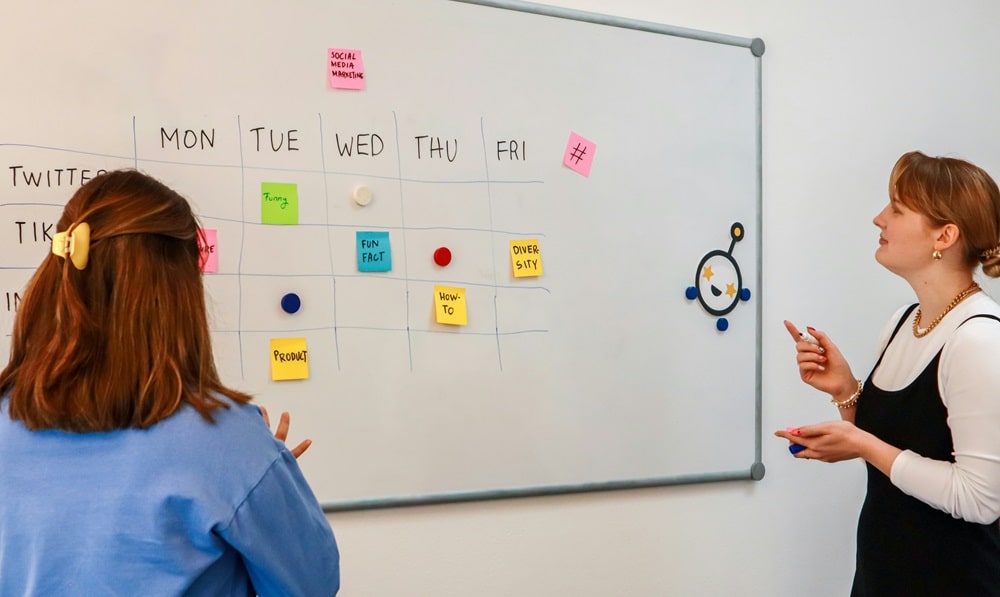
Instead of relying on long email chains, it’s far more effective to create dedicated workspaces such as:
- One workspace for each municipal project
- A shared area for communication between elected officials and municipal departments
- Thematic channels (HR, urban planning, communications, events, etc.)
This approach makes discussions easier to follow while preserving information over time.
Reduce unnecessary meetings
Not every update requires a meeting. A collaborative platform allows teams to:
- Share project progress in real time
- Assign tasks
- Ask questions directly within the workspace
- Review and approve documents without gathering everyone around a meeting table
As a result, the meetings that remain become shorter and far more productive.
Encourage transparency across departments
Collaboration improves when everyone understands the priorities and constraints of other departments. Sharing calendars, deadlines, and project progress helps teams coordinate more effectively and avoid last-minute requests.
The key role of collaborative platforms in local government
While best practices are essential, they quickly reach their limits without the right technology. This is where a collaborative platform like Acollab becomes invaluable.
Acollab: a collaborative solution designed for municipalities
Acollab is a French collaborative tool designed to simplify teamwork, document management, and project coordination. It addresses several key needs for local governments by enabling them to:
- Centralize documents and information
- Create dedicated workspaces for departments or projects
- Improve communication between elected officials and staff
- Share meeting minutes and internal procedures
- Track municipal project progress
- Work securely from anywhere
- Ensure data hosting complies with French and European regulations
One shared workspace for every department
With Acollab, municipalities can build a shared digital environment where each department has its own workspace while still collaborating easily with others.
For example:
- The communications department accesses information related to municipal events.
- Technical services share inspection reports and updates.
- Human resources distributes internal procedures.
- Elected officials consult documents prepared for council meetings.
All relevant information is stored in one centralized location.
Better management of municipal projects
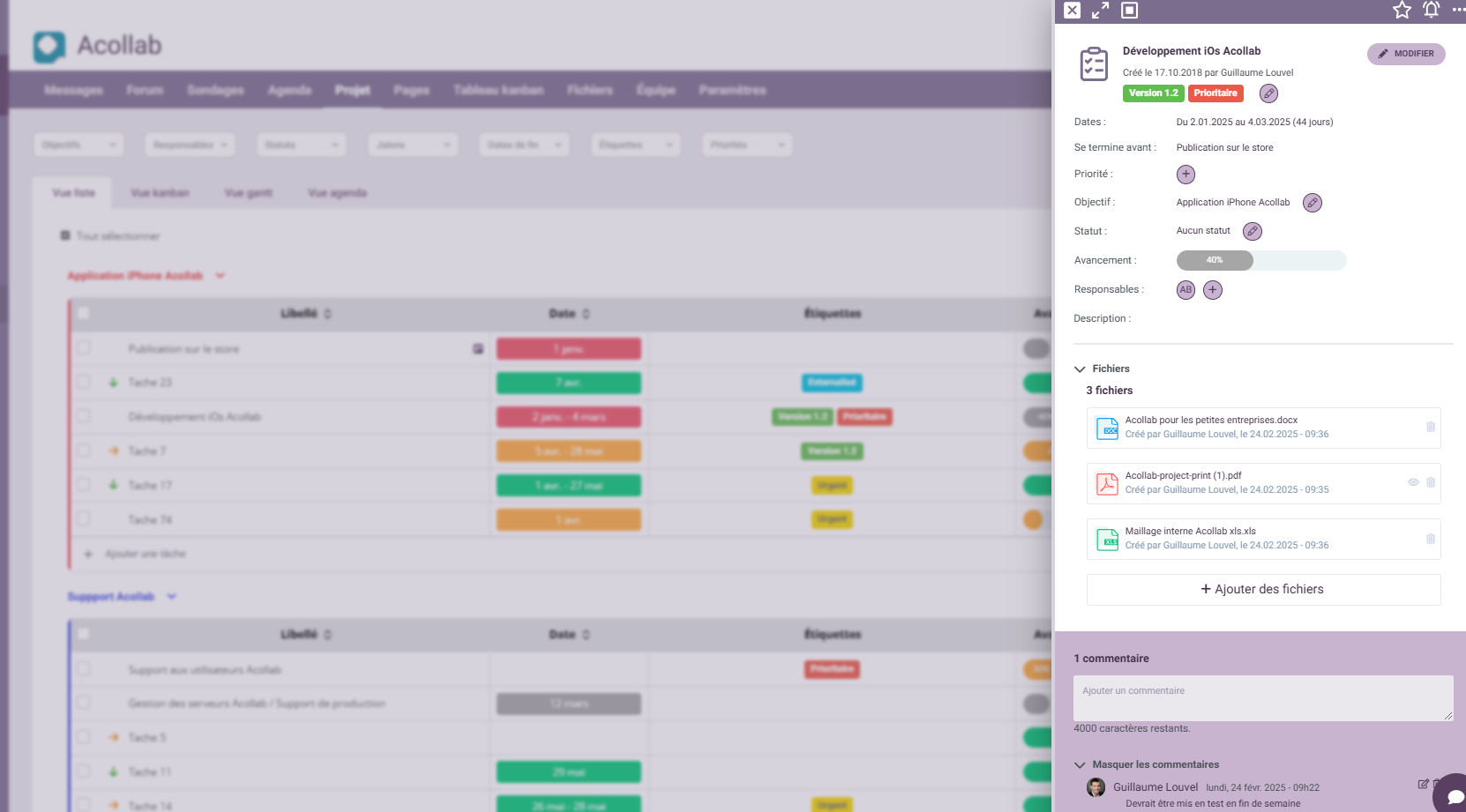
Cross-functional projects are often the most challenging to coordinate. Acollab allows municipalities to:
- Create a dedicated workspace for each project
- Share related documents
- Assign tasks to different departments
- Monitor deadlines
- Keep a complete history of discussions and decisions
Project managers gain a clear overview of overall progress.
Smoother internal communication
Thanks to integrated discussions and notifications, staff members can communicate quickly without overwhelming their email inboxes. Important information remains accessible within dedicated workspaces, improving traceability and ensuring continuity across projects.

An asset for remote workers and field teams
Elected officials and municipal employees working remotely or in the field can securely access documents and discussions from anywhere. This supports service continuity while reducing communication gaps between field operations and administrative offices.
Practical example: better coordination for a municipal event
Consider the organization of a community festival.
Without a collaborative platform, communication typically happens via email between:
- The cultural affairs department
- Technical services
- The communications department
- External service providers
Documents circulate in multiple versions, making it easy for important information to be lost.
With Acollab:
- A dedicated “Festival 2027” workspace is created.
- Each department accesses the workspace according to its permissions.
- Schedules, quotations, plans, and permits are centralized.
- Tasks are assigned to the appropriate team members.
- Discussions remain visible to all participants.
- Meeting minutes are shared immediately.
The result: fewer emails, fewer oversights, and much smoother project coordination.
The concrete benefits for municipalities
Municipalities that improve internal collaboration generally experience:
- Significant administrative time savings thanks to centralized information
- Fewer errors related to document management and communication
- Better project monitoring and coordination
- More effective internal communication
- Greater continuity of public services, even with remote work
- Improved employee satisfaction through modern, user-friendly tools

How to successfully implement a collaborative platform
To ensure successful adoption, several principles are essential.
1. Involve Users from the Start
Elected officials and municipal employees should participate in defining requirements. Tools imposed without consultation are often underused.
2. Start with Simple Use Cases
There’s no need to transform everything at once. Begin with high-impact features such as:
- Document sharing
- Project workspaces
- Meeting minutes
- Internal communication
3. Train Your Teams
Short training sessions and designated internal champions significantly improve user adoption.
Conclusion
Improving collaboration between municipal departments is no longer just an organizational challenge, it has become a strategic priority for delivering high-quality public services, improving team responsiveness, and ensuring the success of municipal projects.
By centralizing information, organizing communication effectively, and adopting a collaborative platform like Acollab, municipalities can reduce wasted time, improve communication, and strengthen cooperation across departments.
Digital transformation in local government is not about adding more software. It’s about creating a simple, shared, and efficient digital workplace that supports both elected officials and municipal employees.